Women in War Stories - 2026 Edition
It's become an annual Memorial Day tradition for me to highlight women in war stories, in honor of the soldiers (of all genders) who have given their lives in our conflicts.
This year, I found an interesting film about a soldier's homecoming from Afghanistan, and a book about a girl who disguised herself as a man to serve in the American Revolution.
Fort Bliss
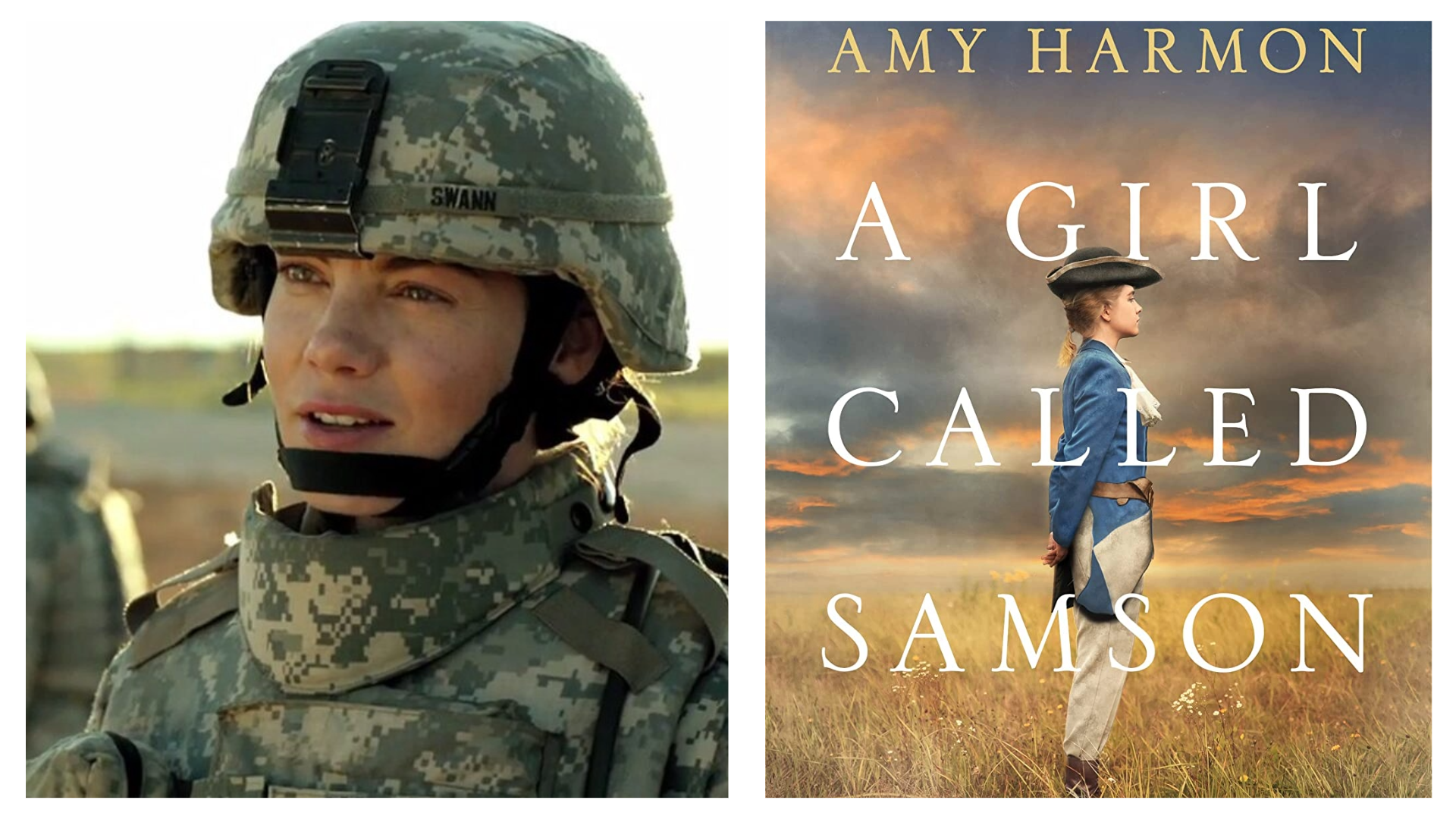
According to the USO, more than 9,000 women have earned their Combat Action Badges in Iraq and Afghanistan, yet stories depicting their service are few and far between. Instead, we mostly get movies focused on their life after the war. Fort Bliss stars Michelle Monaghan as Staff Sergeant Maggie Swann, a divorced mother reuniting with her young son, Paul, after a deployment to Afghanistan.
Though the film's opening and a few flashbacks show bits of her deployment, the bulk of the story is about Maggie's homecoming. She wants to pick up where she left off, but Paul barely recognizes her. He has been staying with his father and his father's new girlfriend for fifteen months, and doesn't respond well to having his life upended by his mother's return.
Seeing Maggie try to reconnect with Paul is a sweet story, but the movie suffers from some serious flaws in logic. Paul is stated to be 5, but looks and acts more like an 8-year-old, and at one point the Dad makes a remark that implies he's only 4. It's a mess. And the idea that Paul doesn't remember his mom after only a year defies credulity, especially in a time period where deployed soldiers had regular access to Skype and email. It's like the writers mixed a bunch of "kid tropes" from different age ranges into a blender, and the result is an awkward hodgepodge. Also, much of the drama centers on all the adults in Paul's life being selfish. None of them seem to have spent more than a microsecond thinking about how to make the transition easier for him.
Despite these structural issues, the film does a good job highlighting the cost of deployment on military families. It's nice to see a film that tries to tackle these hardships, even if it fumbles at times. The story also depicts the double standard society applies to women in the military. Nobody bats an eye at Maggie's male commander leaving his kids behind, but Maggie is perceived as a bad mother for doing the same. At one point, her ex accuses her of being willing "to fight for your country, but not for your son." Yet when she has second thoughts and tries to finagle a transfer to stay with Paul, her commander calls her a "baby" who needs to "put country first". It really is a maddening no-win situation.
All-in-all it's a decent film about an important issue, but it could have been better. For another movie with similar themes, check out Megan Leavey.
Where to Watch
Powered by
A Girl Called Samson
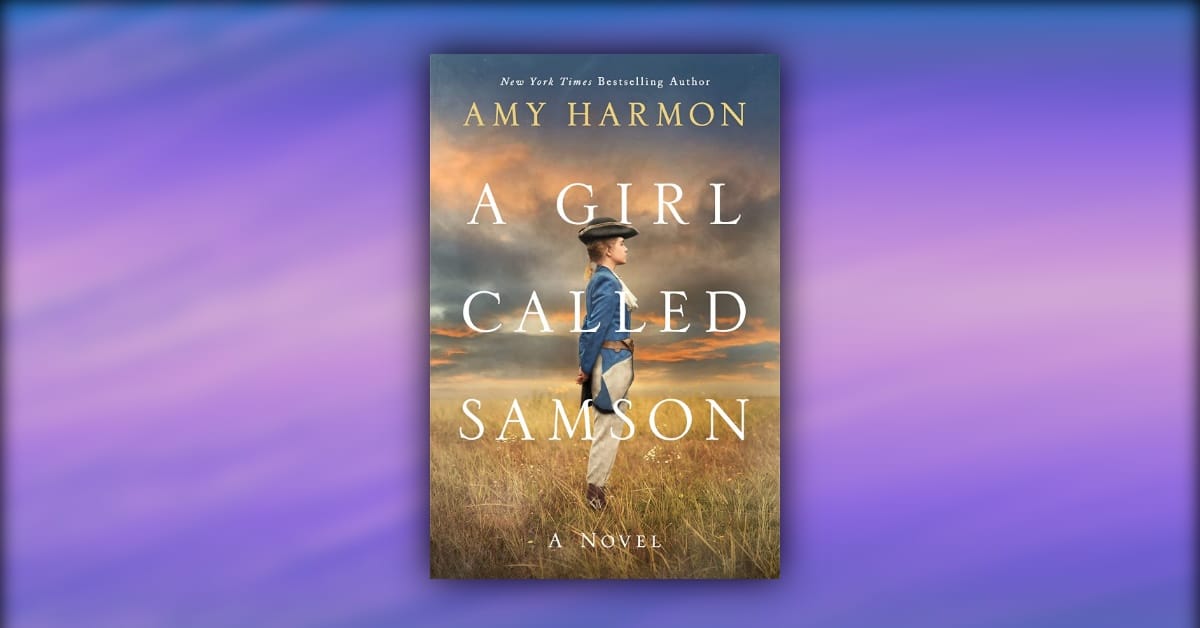
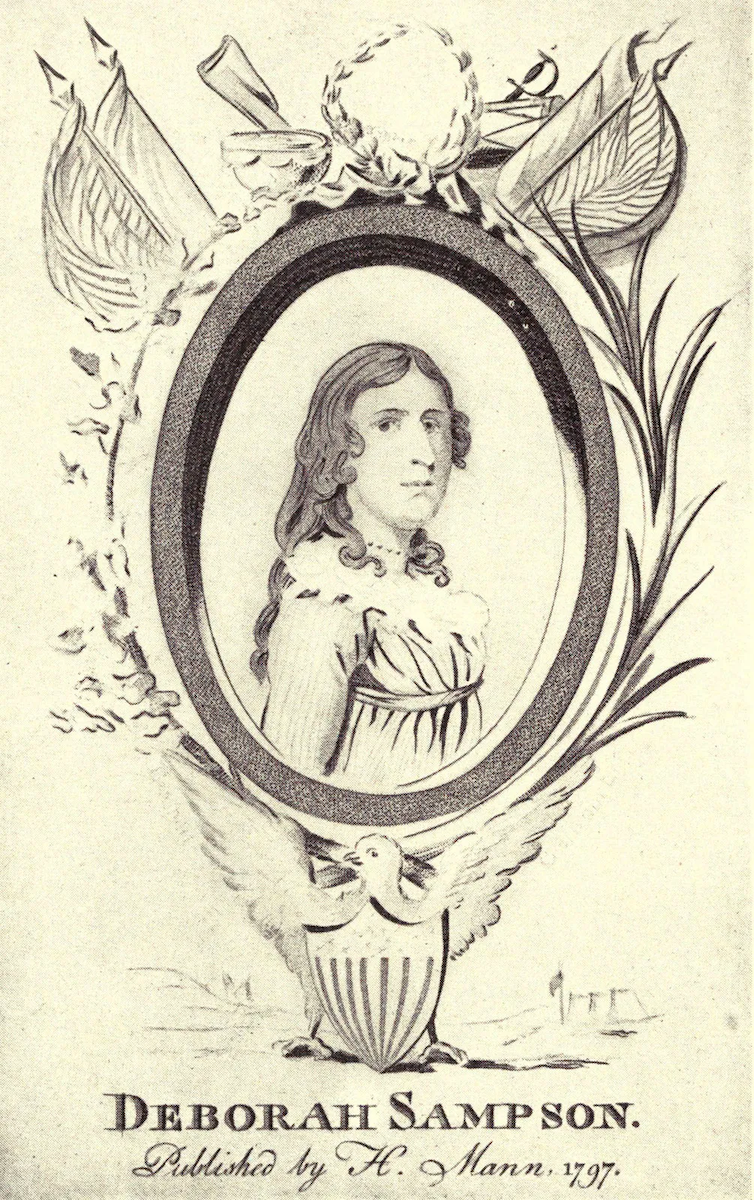
Deborah Samson (sometimes Sampson) was a real-life American Mulan. Driven by patriotic fervor and duty, she disguised herself as a man and served honorably in the Continental Army. A Girl Called Samson by Amy Harmon is a heavily fictionalized account of Deborah's story.
Twenty years later, as the American colonies begin to buckle in their battle for independence, Deborah, impassioned by the cause, disguises herself as a soldier and enlists in the Continental army. Her impressive height and lanky build make her transformation a convincing one, and it isn’t long before she finds herself confronting the horrors of war head-on.
But as Deborah fights for her country’s freedom, she must contend with the secret of who she is—and, ultimately, a surprising love she can’t deny.
The book starts with Deborah's pre-war life. We see her relationship with the many boys of the Thomas family, where she serves as an indentured servant, and with the kind Reverend who mentors her. As she gets older, Deborah starts to chafe under societal expectations. And as the Thomas boys go off to war one by one, she begins to wonder why she shouldn't be allowed to do the same.
Once Deborah decides to join the war, the story takes off. Deborah has all the hardships of being a soldier in the Revolution, plus the added burden of having to hide her true identity. She even gets into a few skirmishes. This part of the book is reasonably faithful to the real history. There are some dramatic embellishments, but nothing too egregious.
Then, for reasons I find hard to fathom, the book takes a sharp left turn into complete fantasy in the second half. This is far beyond creative license; it's a full-on contradiction of key biographical facts about the people involved. I don't expect my historical fiction to be a documentary, but I do feel there's an obligation to stick to at least the basic facts of these peoples' actual lives. What we get in the second half isn't a bad story, it's just not even remotely Deborah's story. It was such an odd choice that it undermined the whole rest of the book for me.
You can read a little more about Deborah's real story at the Canton Massachusetts Historical Society page.
The Pitt Season 2 - TV Review
The Abandons - TV Review