The Pitt Season 1 - TV Review
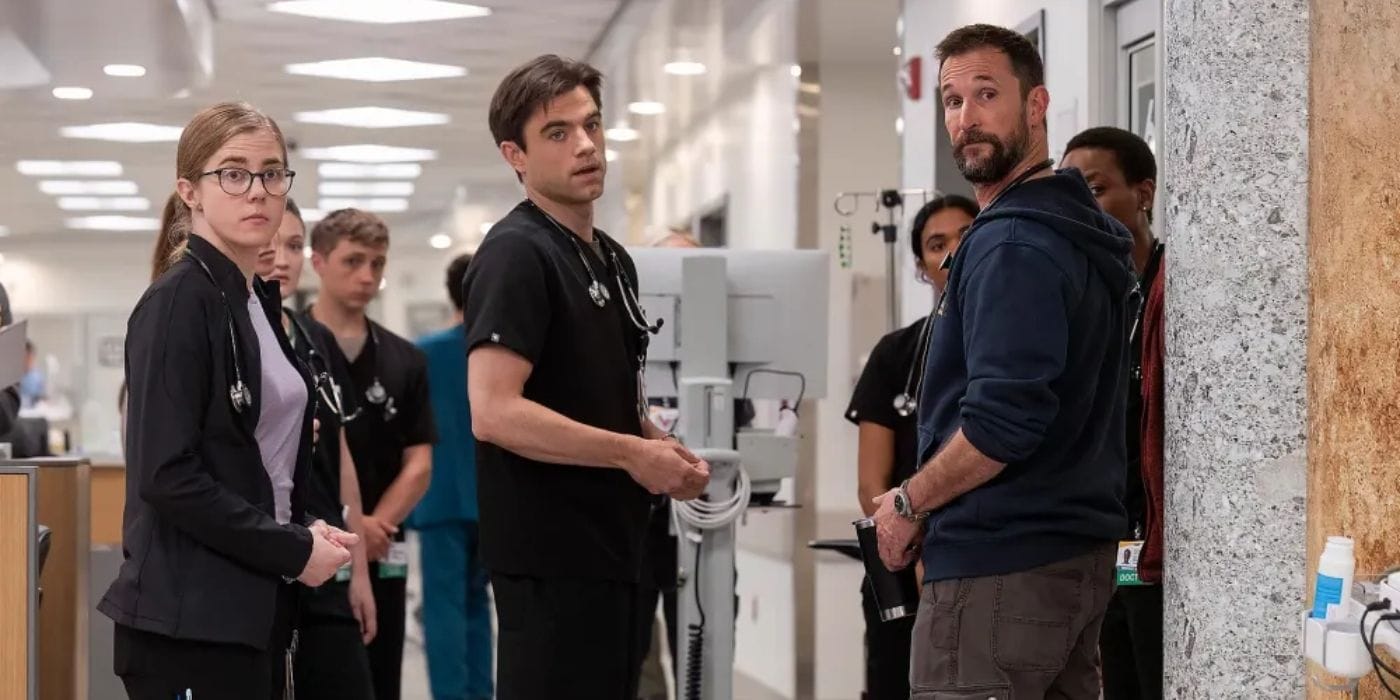
The most realistic medical drama ever has a heart to match.
I've been wanting to watch The Pitt since it premiered, but things just kept getting in the way. With the release of Season 2 (currently airing on HBOMax, or whatever it's calling itself these days), dodging spoilers went from difficult to nigh-impossible. I finally sat down and got caught up, and boy was I happy I did. I'm a big fan of medical dramas, and The Pitt stacks up well to my all-time favorite, ER.
Set in an urban trauma center in Pittsburgh, The Pitt unfolds in real-time. Each episode focuses on a single hour in a 12-hour shift. (The fact that there are 15 episodes in the season shows that the shift doesn't quite go to plan.) The action stays focused in the ER, and only the dialogue gives us insight into the characters' lives outside the hospital. It's an interesting approach—one that avoids a lot of the soap opera shenanigans that pervade other hospital dramas.
The main character is the head of the ER, Dr. "Robby" Robinavitch, played by Noah Wyle. Robby is a burnt-out veteran physician, still carrying the trauma of Covid and the loss of his mentor. While some have drawn parallels between Robby and Wyle's prior role as Dr. John Cater on ER, the two characters couldn't be more different in my mind. If they weren't played by the same actor, I doubt anybody would look at Robby and think of him as an older Dr. Carter.
The whole cast is awesome, from Nurse Dana (Katherine LaNasa), the unflappable charge nurse who oozes competence, to Dr. Javadi (Shabana Azeez), a young medical student having the worst first day ever. But it's Dr. Mel King (Taylor Dearden) who stood out the most to me.
The show establishes that Mel has an autistic sister in a care facility, and openly telegraphs that she is neurodivergent (probably autistic) herself. It's a portrayal that has resonated strongly with the autistic community. It shines through in the little things, like her taking a moment to calm herself with a lava lamp app, or having awkward social interactions. In one episode, Mel connects with an autistic patient after another doctor hits a brick wall. It's an awesome example of accommodating someone's needs with compassion. Dearden has been open about her own neurodivergence, which no doubt helps the portrayal, but the writing is top-notch too.

Another thing that makes the show stand out is the way it acknowledges the importance of the hospital's support staff. The department social worker features prominently in several storylines, and even the custodial staff gets a nod. The nurse characters (yes, plural!) are also pretty cool.
Being from Pittsburgh myself, I appreciated the way the show wove the city's history and personality into the show. We all expected the obvious things, like references to the Steelers and Primanti's, but the show gets so many little details right. I particularly appreciated the storyline that acknowledged Freedom House Ambulance, the Black paramedics who formed America's first EMS service. And for the record, I think Nurse Dana does a pretty good Western PA accent. It might not be full Yinzer, but it's definitely in the ballpark.
For more on the Pittsburgh connection, I suggest this episode of the City Cast Pittsburgh podcast:


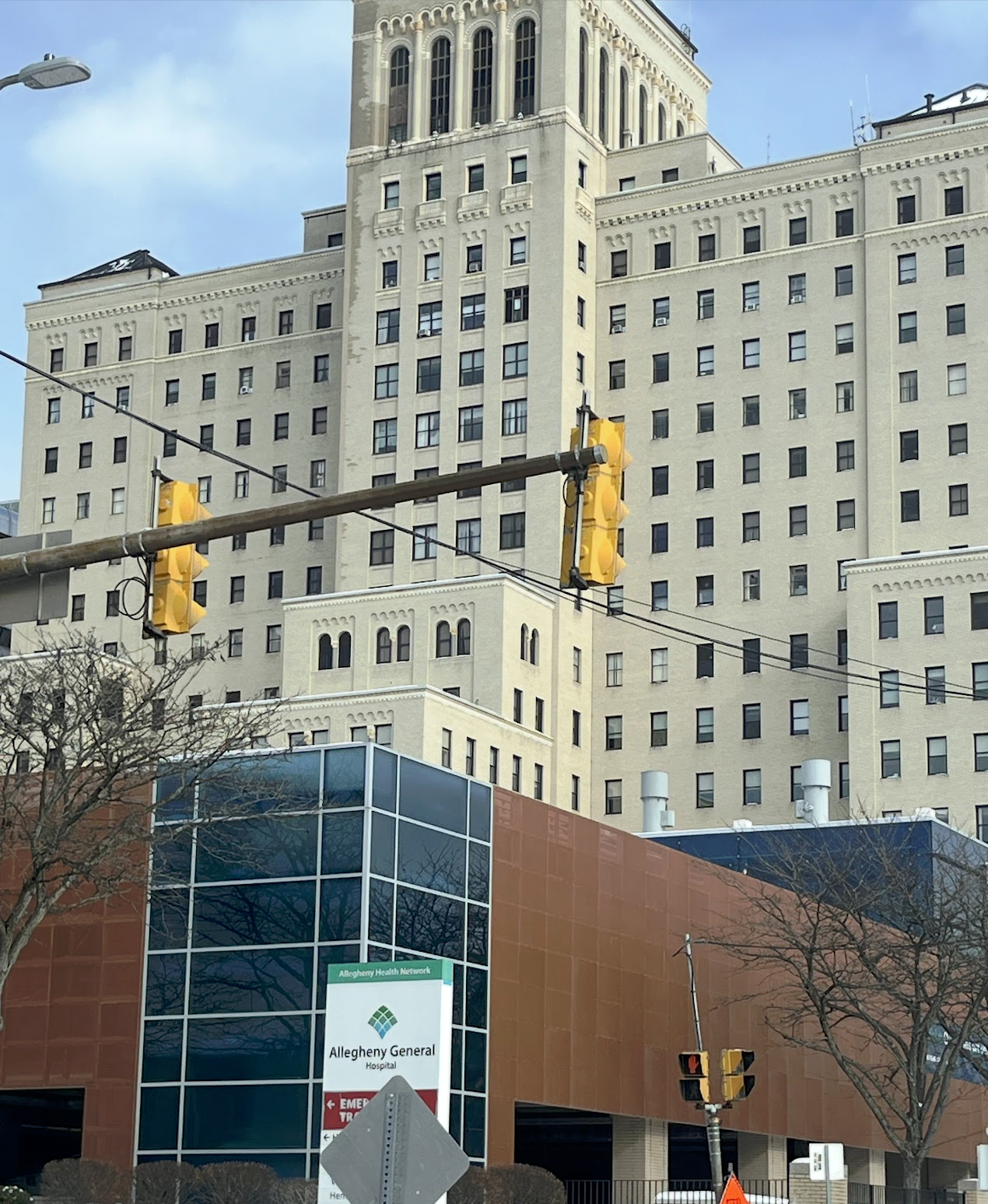
Oh and just for fun, here's a picture I took of the local hospital that they use for all the exterior shots in the show. I did my paramedic training there.
In an interview with Dr. Mike, Noah Wyle said:
“We came into this to be the most accurate medical show ever made. We were making a love letter to front line workers and first responders.”
The realism has been praised far and wide, but it's the characters who keep me coming back. I can't wait to dive into Season 2.
Where to Watch
Powered by
Shadow Strike - Book Review
Cleaner - Movie Review